Pinta Balletto kidnapping
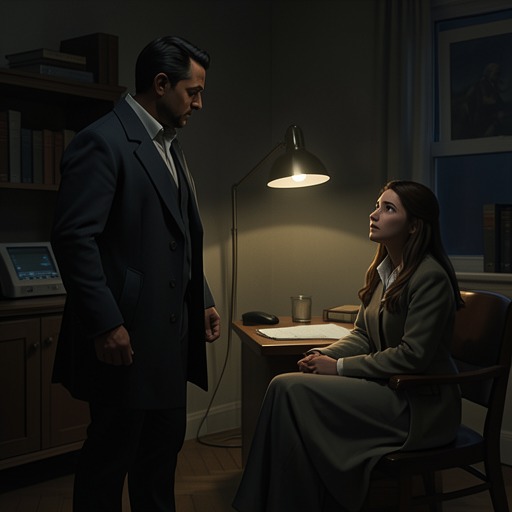
Man on FireThe Pinta Balletto kidnapping begins as a feared threat to a child and ends as an insurance scheme built around her vulnerability. Pinta Balletto was taken in an armed street attack despite Creasy’s efforts to protect her; the ransom was paid, but she died before her release. The later revelation that Ettore Balletto had helped engineer the crime transforms the tragedy: the danger Rika Balletto feared was not merely exploited by outsiders, but arranged through her own family and its associates.
Background and the insurance scheme
Rika pressed Ettore to find a way to keep Pinta safe, invoking the Kidnapping of Pepino Macchetti: the child had been taken in broad daylight outside his school in Milan. Ettore argued that nobody would target their daughter because the Balletto family was not rich, even as his financial problems were becoming known in the city. His reassurance concealed a different calculation.
Vico Mansutti explained how kidnap insurance could make a nominal security arrangement financially attractive. Italian insurers were barred from writing such policies, while Lloyd's of London offered coverage subject to offshore premium payments and strict secrecy. A full-time bodyguard could reduce the premium, but Vico described cheaper premium bodyguards who were unlikely to foil a kidnapping and cost about seven million lire a year. The proposed economy depended on protection being legible to insurers, not necessarily effective against kidnappers.
The eventual disclosure gives that arrangement its criminal meaning. Creasy tells Rika that Ettore had taken out a two-billion-lire policy with Lloyd's of London, with Fossella to return half the ransom to him. Vico had acted as intermediary and stood to receive a commission. The insurance that appeared to manage the family’s exposure to kidnapping had instead become part of the plot’s financial design.
The abduction
Creasy approached his new bodyguard job in military terms, treating Pinta as an asset and considering how an enemy might seize her at home, at school, or on the road. During reconnaissance at the school, he noted its high, spike-topped walls, heavy gates, and limited cover outside. On the route between the family’s home and the school, he marked likely ambush points and considered varying the journey to make it less predictable.
The attack came away from the school. As Pinta walked toward Creasy’s car, a black car mounted the curb and four men emerged. Creasy recognized the kidnapping attempt and shouted for her to run. Pinta ducked beneath one attacker’s reaching arm and darted around the car, but two armed men pursued her. With Pinta between them, Creasy hesitated to fire; one man caught her and carried her back toward the car. The other fired at Creasy, who shot him twice in the chest. The gunfire did not stop the abduction: Pinta was taken while Creasy survived the exchange.
Death and immediate aftermath
The ransom had been paid two days before Pinta’s death, and she was supposed to be released that night. A major police sweep for a Red Brigade gang had, according to the account later given to Creasy, made the kidnappers nervous; they went to ground for several hours instead of releasing her. Police found Pinta in the trunk of a stolen car the following morning. Her hands and mouth had been taped, and she had vomited, probably from petrol fumes. The autopsy established that she had choked to death.
The account describes her death as unintended by the kidnappers, but that does not lessen the consequences of the scheme or the failure of the protection surrounding her. Creasy had identified the road as a likely point of attack, yet his tactical preparation could not overcome the attackers’ numbers or the compromised arrangement that had placed him there as a cheap, largely symbolic guard. Rika later learned that Creasy had been hired for a pittance merely to appease her, and condemned the choice as inadequate protection for her daughter.
Exposure and consequences
The kidnapping also became a point of criminal reckoning. When senior figures in the Mafia discussed Fossella’s conduct, they described the Balletto girl’s abuse and death in the car as a badly handled operation that had provoked public dislike and weeks of pressure. They faulted Fossella for failing to punish those responsible severely, noting that one was his nephew and that he had only confiscated the kidnappers’ share. Their discussion treats discipline and reputation as business concerns, while the earlier disclosure to Rika reveals the personal cost concealed by that language.
The investigation eventually connected Rabbia and Sandri to the kidnapping and identified Fossella as its organizer. When Creasy disclosed the insurance arrangement, Rika turned from him to Ettore with hatred; Ettore slumped in his chair and could not meet her gaze. Her immediate question about whether Creasy had killed the other perpetrators marks the disclosure as more than an explanation of the crime: the kidnapping has exposed a betrayal within the family and brought its consequences into Creasy’s campaign of revenge.